
Popular Tools For Wood Deck Sandings That Deliver Smooth Results
Discover the most sought-after products that help you sand your wood deck with precision and ease for a perfect finish.
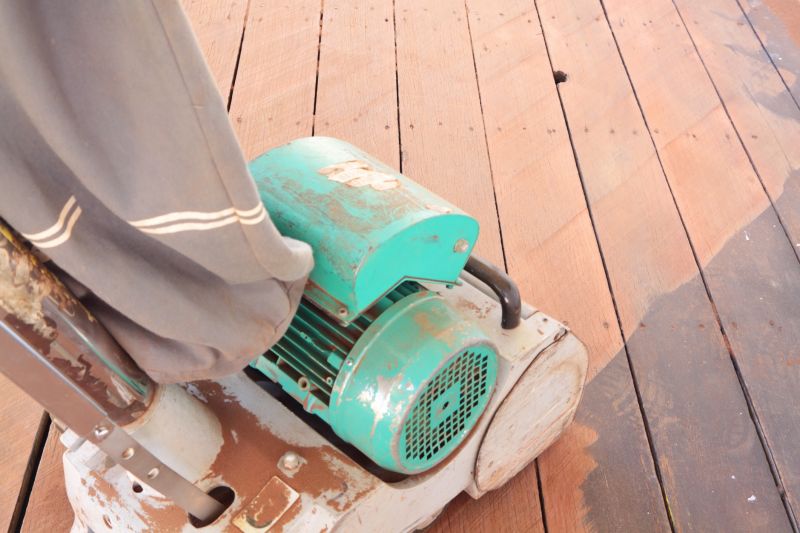 Selecting the appropriate products for wood deck sanding is essential for achieving a smooth and even surface, whether preparing for a new finish or restoring weathered wood. The process typically involves removing old paint, stain, or rough patches, which can be accomplished with a variety of tools and abrasives. From handheld sanders to power orbital sanders, the right equipment can make a significant difference in efficiency and results. Understanding the different types of sanding products available helps in choosing the most suitable options for your specific deck condition and project scope.
Top Overall Option
Multi-Grit Sanding Discs Set
A versatile set of sanding discs featuring multiple grits allows for a comprehensive approach to deck sanding. This product enables users to start with coarser grits for initial material removal and progress to finer grits for finishing touches. Compatible with standard orbital sanders, these discs are designed for durability and consistent performance, making them suitable for various deck conditions and user skill levels.
Types of Products For Wood Deck Sandings
Orbital Sanders
Electric orbital sanders provide efficient, smooth sanding with minimal effort, ideal for large deck surfaces.
Belt Sanders
Powerful belt sanders are suitable for aggressive material removal on rough or heavily weathered wood.
Palm Sanders
Compact and lightweight, palm sanders are perfect for detailed work and tight corners.
Hand Sanding Blocks
Manual sanding blocks offer control and precision for small areas and finishing touches.
Sanding Discs
Interchangeable sanding discs come in various grits for different stages of the sanding process.
Abrasive Sheets
Flexible sheets of sandpaper that can be cut to size and used by hand or with a backing pad.
Wire Brushes
Wire brushes help remove loose paint, old stain, and surface debris before sanding.
Sanding Sponges
Flexible sponges with abrasive surfaces for contouring and detailed sanding.
Dust Extraction Attachments
Accessories that connect to power sanders to reduce airborne dust during sanding.
Abrasive Pads
Non-woven abrasive pads are useful for finishing and polishing wood surfaces.
Popular Choices
Widely used for their ease of use and versatility across various deck sanding tasks.
Sets that include multiple grit options for comprehensive sanding needs.
Affordable and effective for small touch-ups and detailed areas.
A range of sandpaper grits suitable for different stages of deck preparation.
Compact tools favored for their maneuverability and control.
Popular for surface preparation before sanding or staining.
Devices equipped with dust ports to minimize mess and improve safety.
Handy for detailed and curved surface work.
Used for polishing and achieving smooth surfaces before sealing.
Preferred for large, rough surface areas requiring significant material removal.
Small, precise tools for corners, edges, and intricate areas.
Sandpaper and sanding discs are among the most common options, offering a range of grits to handle different stages of the sanding process. Coarser grits are used for initial removal of rough surfaces, while finer grits are ideal for finishing touches that prepare the wood for staining or sealing. Power sanders, such as orbital or belt sanders, provide faster results and are often preferred for larger decks. Hand sanding tools remain useful for detailed work, corners, or small areas where precision is necessary.
Safety and ease of use are also important considerations. Choosing products with ergonomic designs, dust collection features, and appropriate grit levels can improve the sanding experience and outcome. Proper selection and application of sanding products contribute to a professional-looking finish and help prolong the lifespan of the deck. Regular maintenance and careful product choice can make the deck restoration process more manageable and less time-consuming.
Key Buying Considerations
- Grit range suitability for different sanding stages from coarse to fine.
- Power source preference: corded electric, cordless battery-powered, or manual tools.
- Compatibility of sanding discs and sheets with your existing tools.
- Ergonomic design for comfortable handling during extended use.
- Dust collection features to reduce airborne debris and cleanup time.
- Durability and lifespan of abrasive materials under frequent use.
- Ease of changing or replacing sanding pads, discs, or sheets.
- Surface area coverage per pass to estimate project time.
- Level of vibration and noise for user comfort.
- Versatility for different types of wood and surface conditions.
- Price and availability of replacement abrasive products.
- Weight of the tool for ease of maneuverability.
- Safety features such as guards and grip handles.
- Brand reputation and customer reviews for reliability.
- Availability of accessories like edge guides or dust bags.
This page contains affiliate links. We may earn a commission if you purchase through these links, which helps support our content creation.