Wood Deck Sanding Benefits
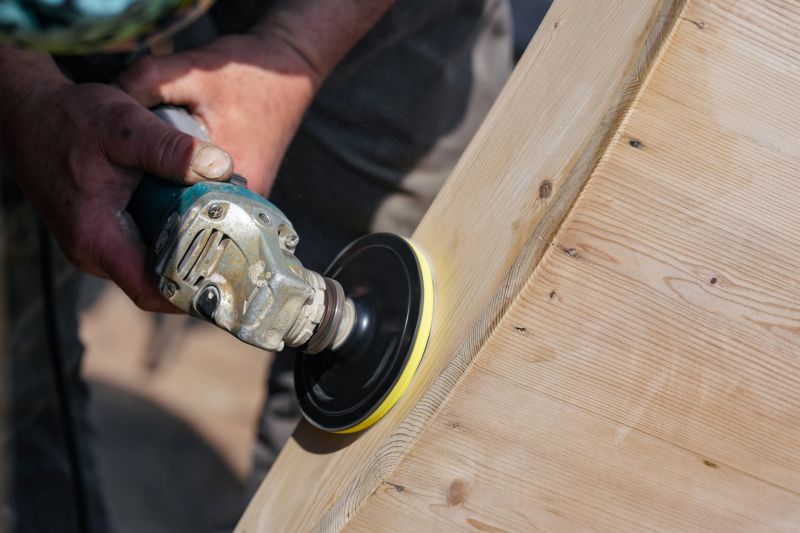
Spring is ideal for deck sanding as weather conditions are moderate and dry, ensuring proper drying and adhesion.
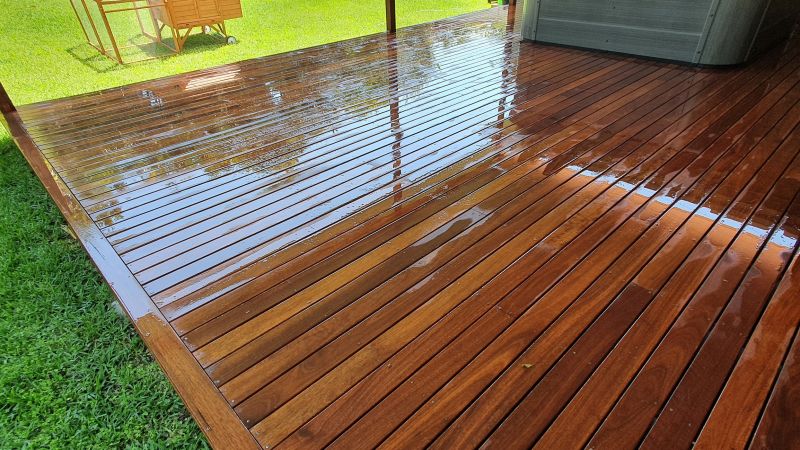
Summer offers warm temperatures and longer daylight hours, which facilitate efficient sanding and finishing processes.
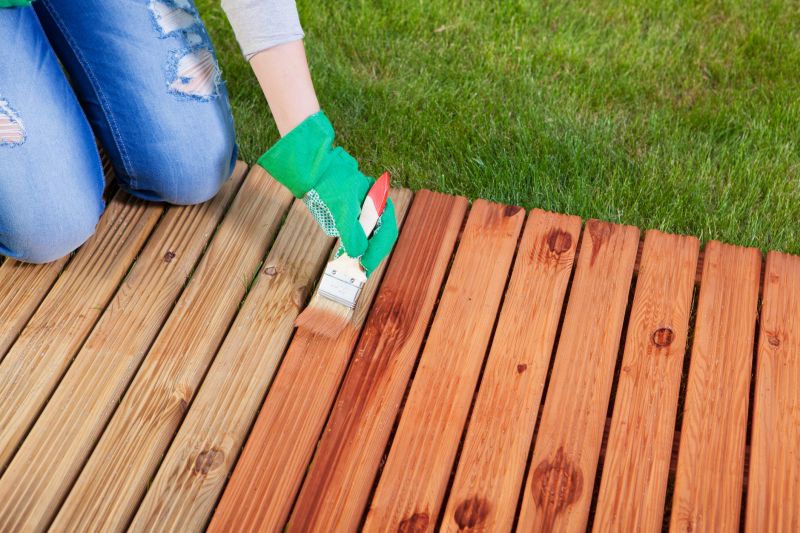
Autumn provides cooler temperatures and less humidity, making it suitable for preparing decks before winter.
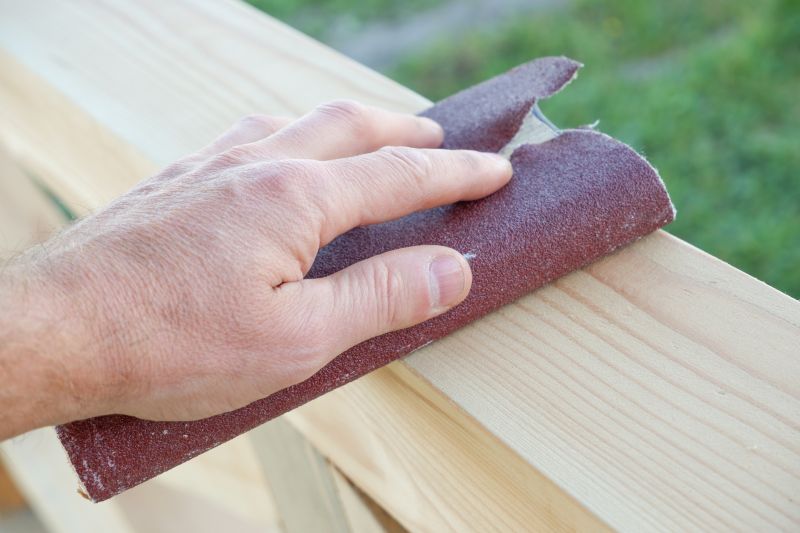
Winter is generally unsuitable due to cold temperatures, moisture, and potential frost, which hinder proper sanding.
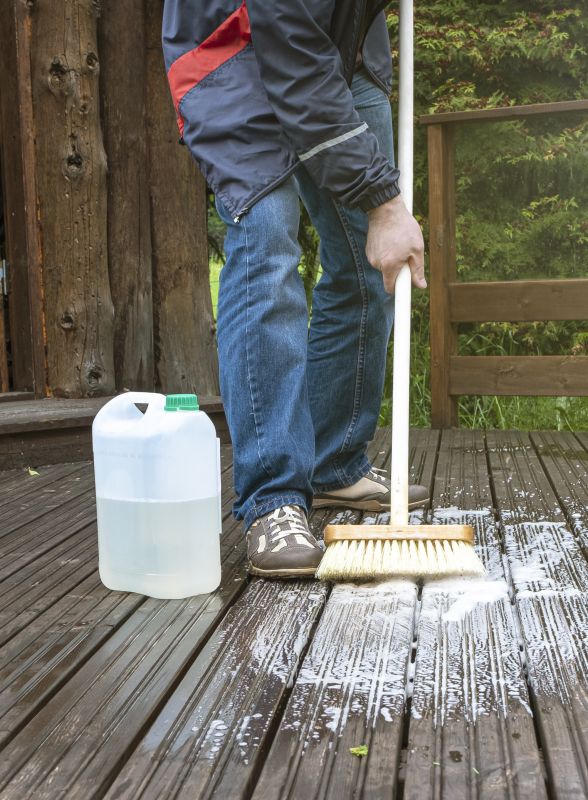
Ideal conditions include temperatures between 50-85°F and low humidity, ensuring proper drying and adhesion.
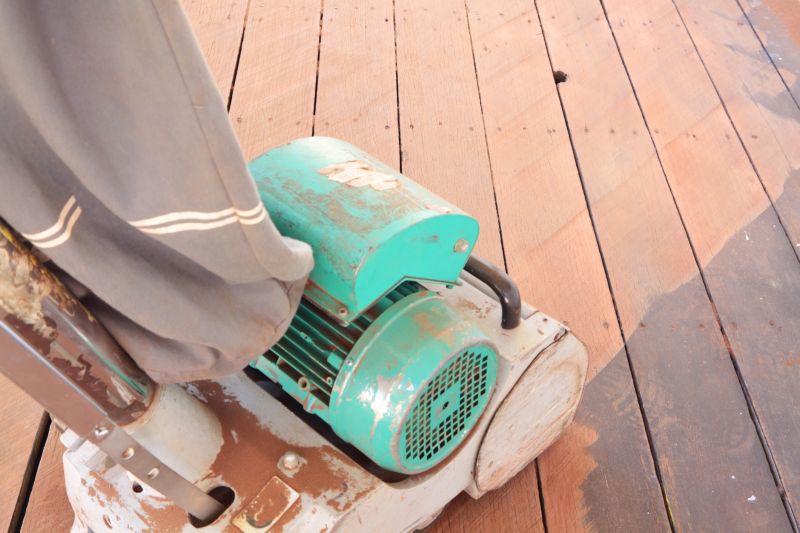
Monitoring weather forecasts helps identify dry, stable days suitable for deck sanding projects.
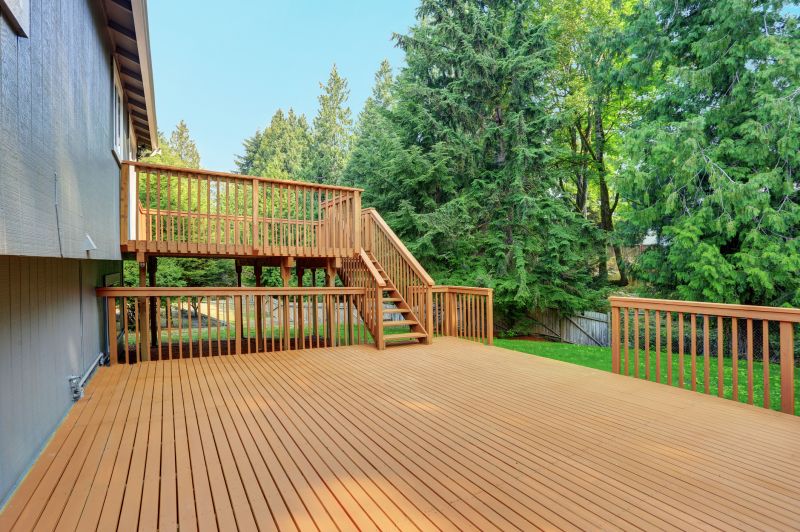
Ways to make Wood Deck Sandings work in tight or awkward layouts.
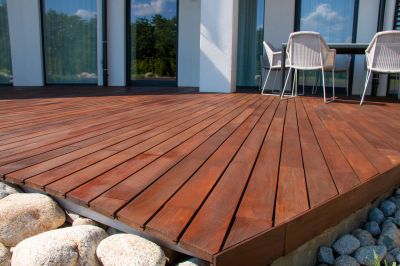
Popular materials for Wood Deck Sandings and why they hold up over time.
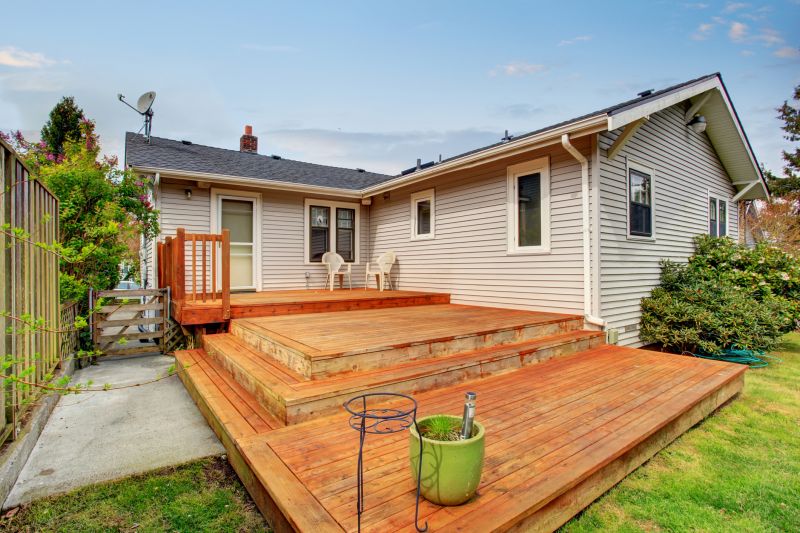
Simple add-ons that improve Wood Deck Sandings without blowing the budget.
Wood deck sanding is a crucial process for maintaining the longevity and appearance of outdoor decks. It involves removing surface imperfections, old finishes, and roughness to prepare the wood for refinishing. Proper sanding can extend the lifespan of the deck, improve safety by eliminating splinters, and enhance aesthetic appeal. The process typically uses abrasive tools like orbital sanders or hand sanding, depending on the deck's size and condition.
Statistics indicate that regular sanding and refinishing can increase a deck's lifespan by several years. Weather conditions significantly influence the effectiveness of sanding projects. Performing sanding during optimal weather ensures better adhesion of stains or sealants and reduces the risk of moisture-related issues. Proper timing also minimizes the need for frequent repairs, saving costs over time.
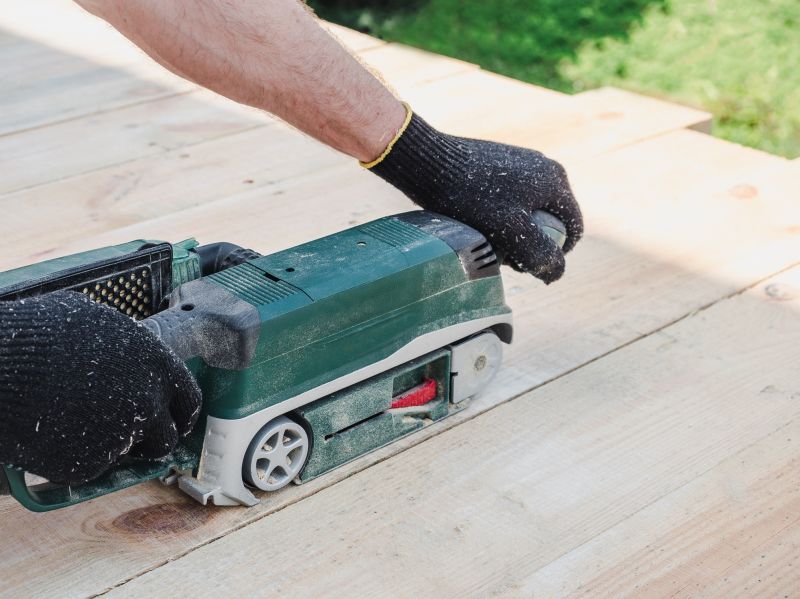
Using appropriate sanding equipment ensures smooth surface preparation and reduces time required for the project.
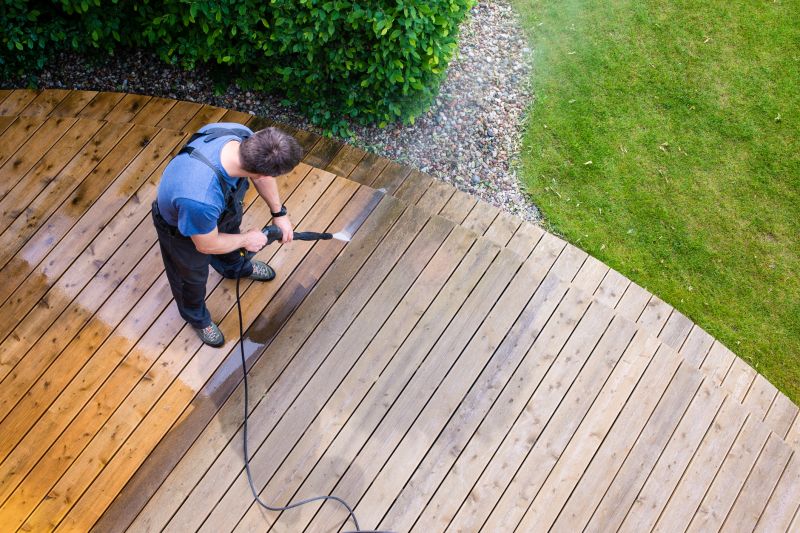
Thorough cleaning and removing loose debris before sanding improve results and prevent damage to equipment.
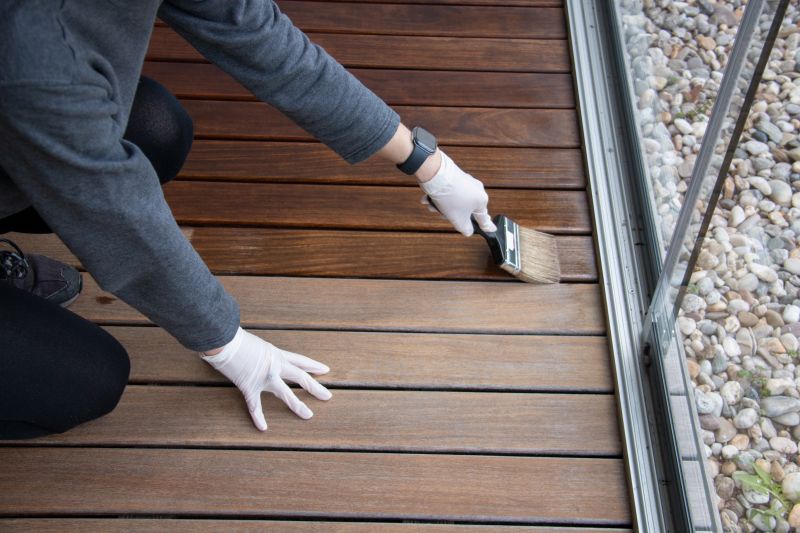
Properly sanded decks allow for better absorption of sealants, enhancing durability and appearance.
Inspect the surface for any remaining rough areas or imperfections before applying finishes.
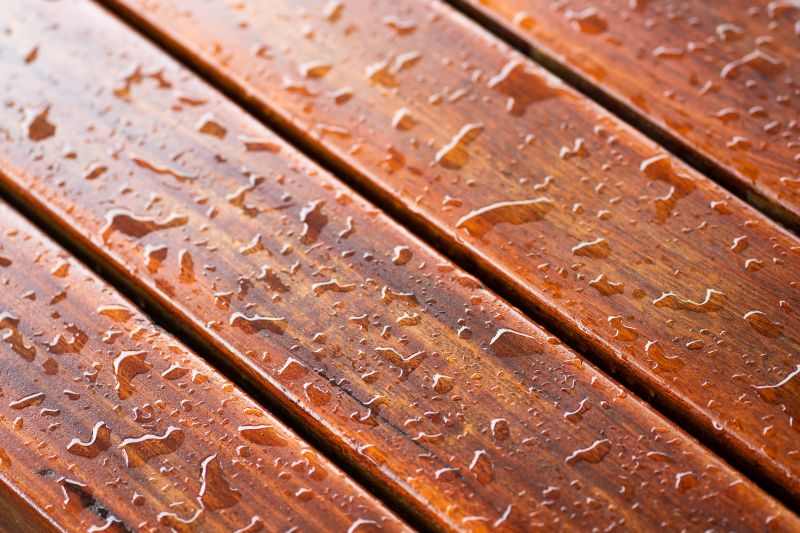
Ensure the weather remains dry and warm enough for finishing after sanding.

Wear protective gear such as masks and goggles to prevent inhalation of dust particles.
Use high-quality stains or sealants to protect the wood after sanding.

Establish a regular schedule for sanding and refinishing to maintain deck integrity.
| Season | Ideal Conditions |
|---|---|
| Spring | Moderate temperatures, low humidity, dry days |
| Summer | Warm temperatures, long daylight, dry weather |
| Autumn | Cooler temperatures, less humidity, dry days |
| Winter | Cold, moist, unsuitable for sanding |
| Optimal Climate | Temperatures between 50-85°F, low humidity |
| Weather Monitoring | Check forecasts for dry, stable days |
Selecting the appropriate time for wood deck sanding can significantly impact the quality and durability of the finish. Weather plays a critical role; ideal conditions include warm, dry days with low humidity. Performing sanding during these periods ensures that sealants and stains adhere properly, leading to a longer-lasting finish. Conversely, sanding in unsuitable weather can cause moisture entrapment, leading to issues like warping or mold growth.
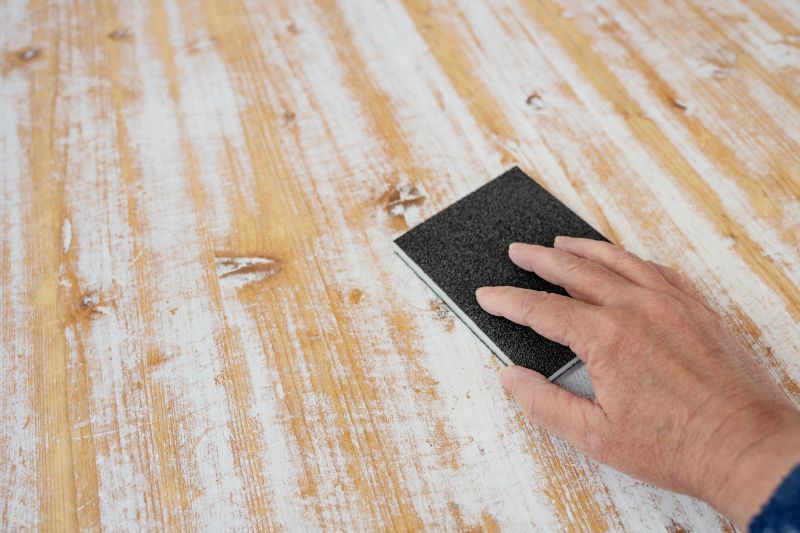
Gathering the right tools ensures efficient sanding and optimal results.
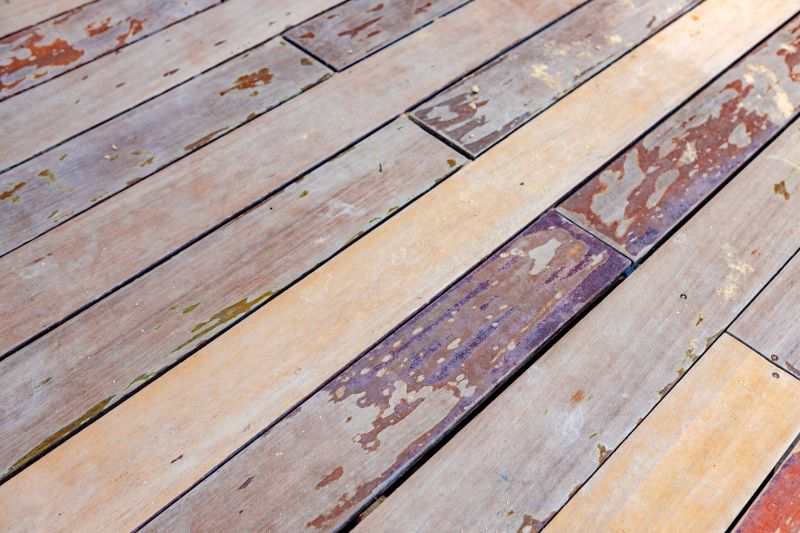
Always verify weather conditions before scheduling sanding projects.

Proper cleaning and finishing are essential after sanding.
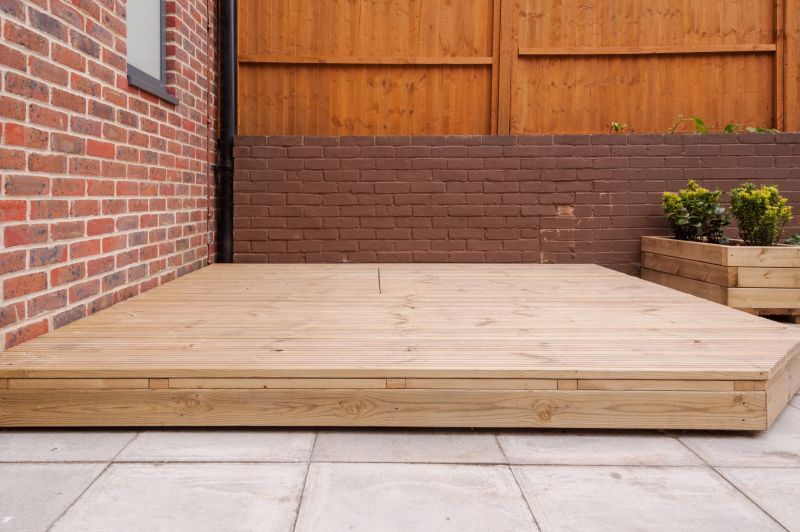
Plan sanding projects during seasons with favorable weather conditions.
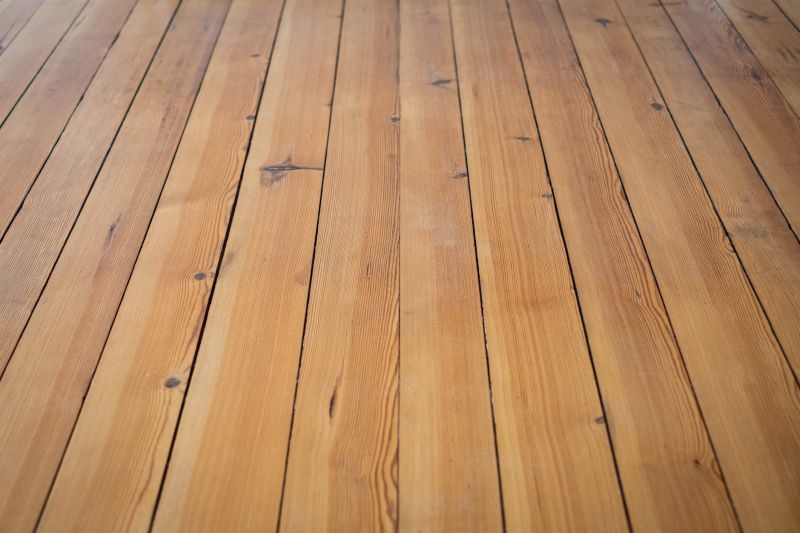
High-end options that actually feel worth it for Wood Deck Sandings.
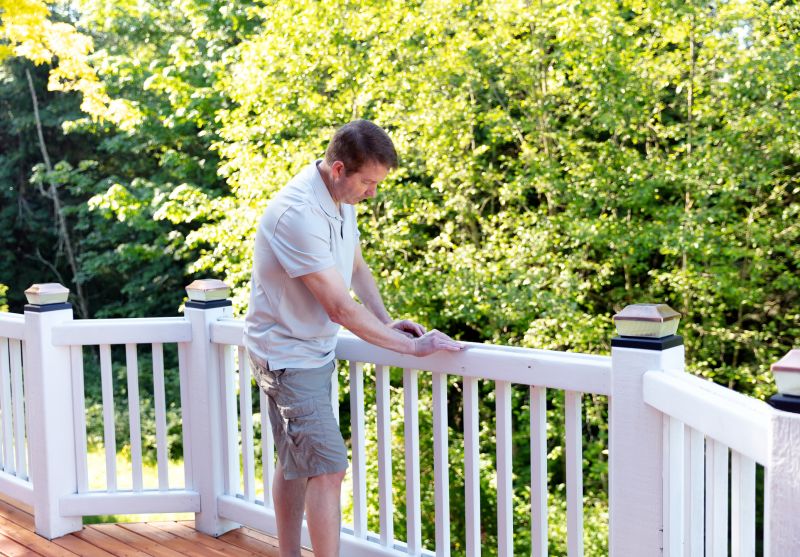
Finishes and colors that play nicely with Wood Deck Sandings.
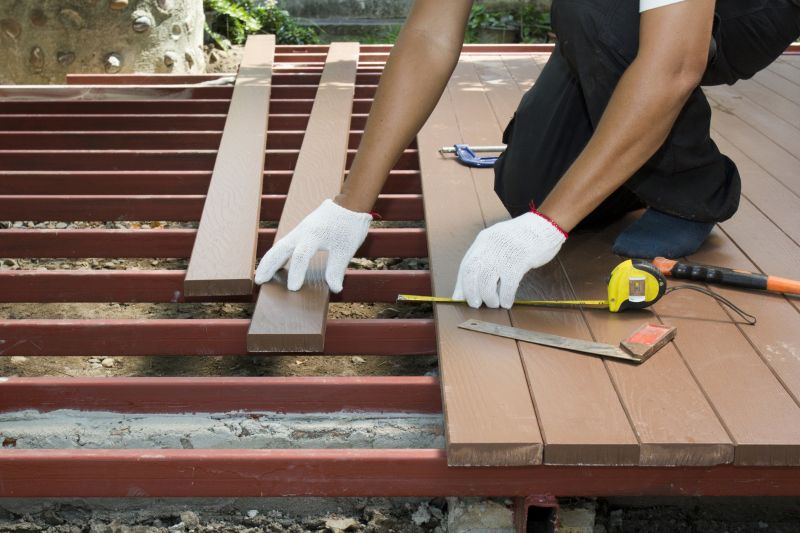
Little measurements that prevent headaches on Wood Deck Sandings day.
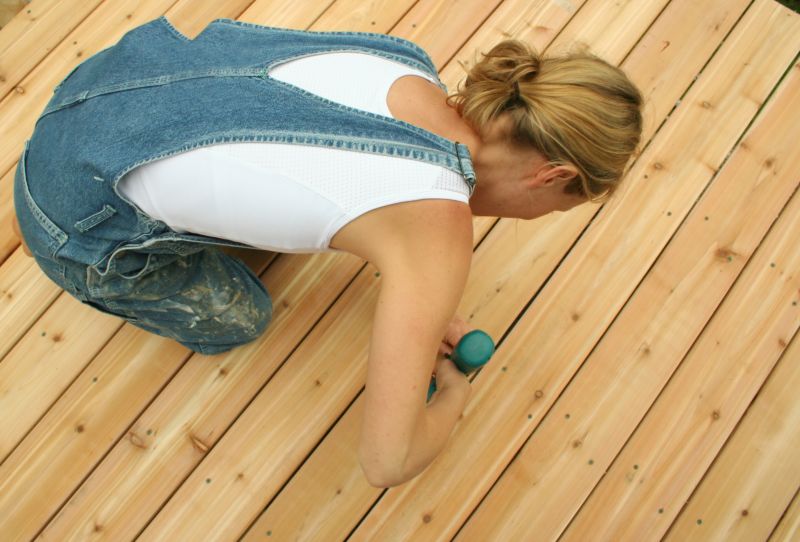
A 60-second routine that keeps Wood Deck Sandings looking new.
Interested in scheduling a wood deck sanding? Filling out the contact form provides the necessary details to assist with planning and execution. Proper timing and preparation can maximize the lifespan and appearance of a deck, making professional sanding a worthwhile investment.
A frequent mistake in Wood Deck Sandings and how to dodge it.
Small tweaks to make Wood Deck Sandings safer and easier to use.
Lower-waste or water-saving choices for Wood Deck Sandings.